1. Regulatory Services
It is a watchdog and enforcer of water laws — ensuring fair access, environmental protection, and sustainable use of the nation’s water resources. Has three departments:



A. Licensing
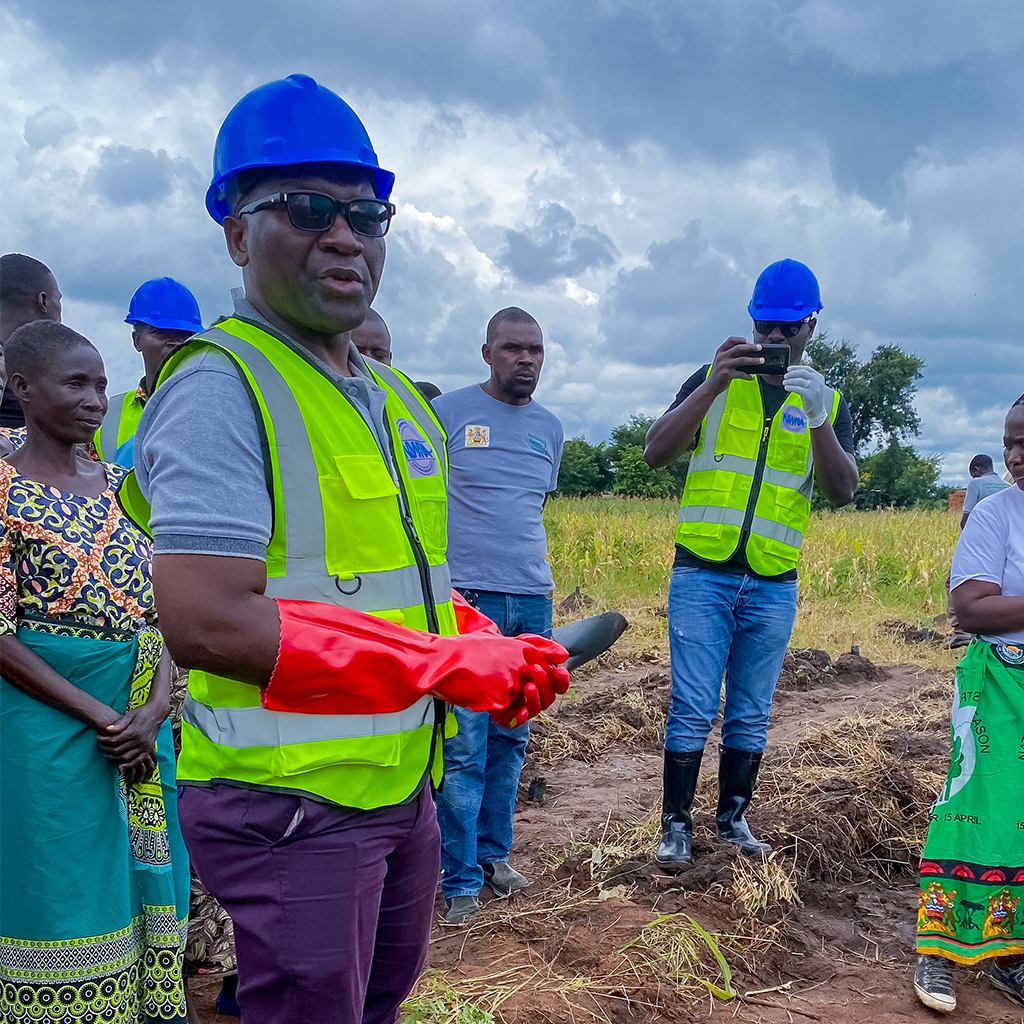
- Processing water use permits: Evaluate and issue licenses for abstraction, storage, diversion, or discharge of water resources.
- Maintaining a licensing database: Keep updated records of all licensed users and their compliance status.
- Advising applicants: Provide guidance on licensing requirements, procedures, and conditions.
- Review and renewal: Periodically review and renew licenses to ensure ongoing compliance.
- Compliance monitoring: Coordinate with the Inspections Department to verify that license conditions are met.
B. Inspections
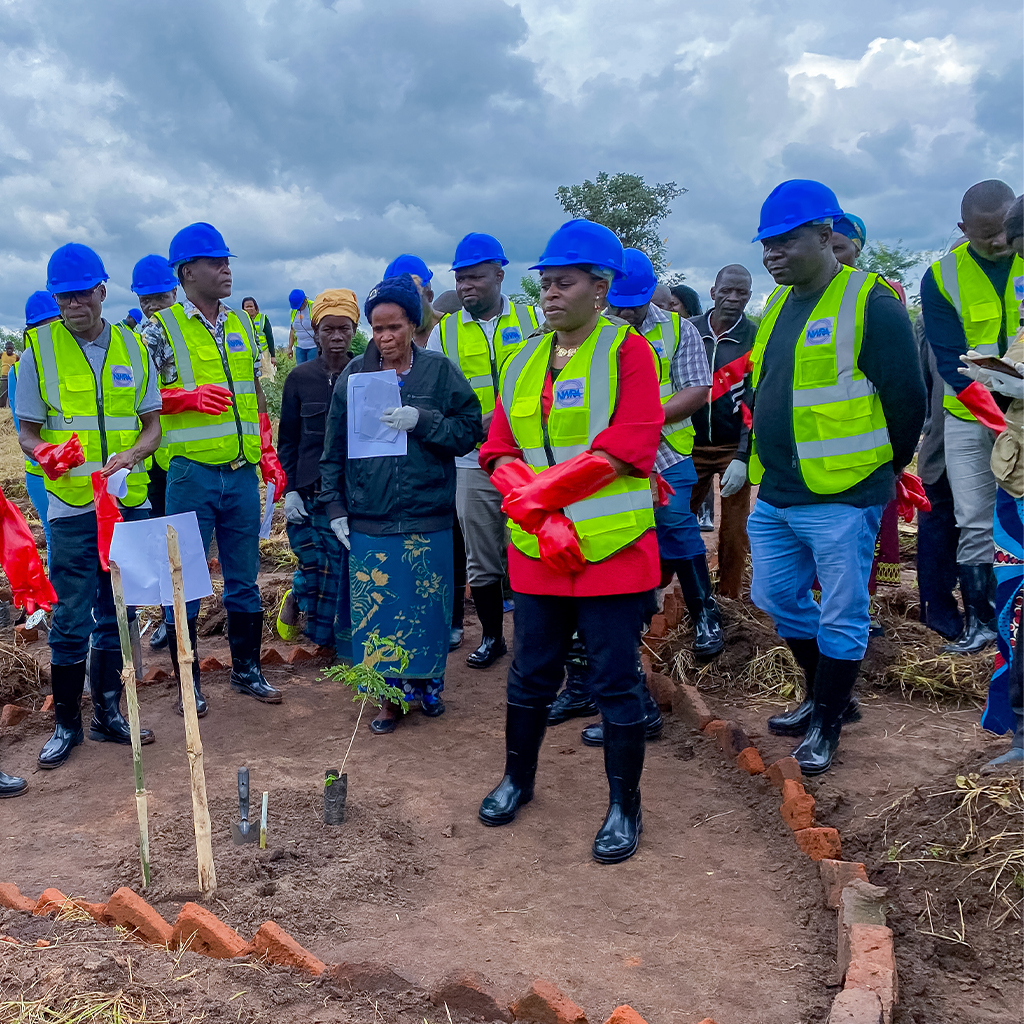
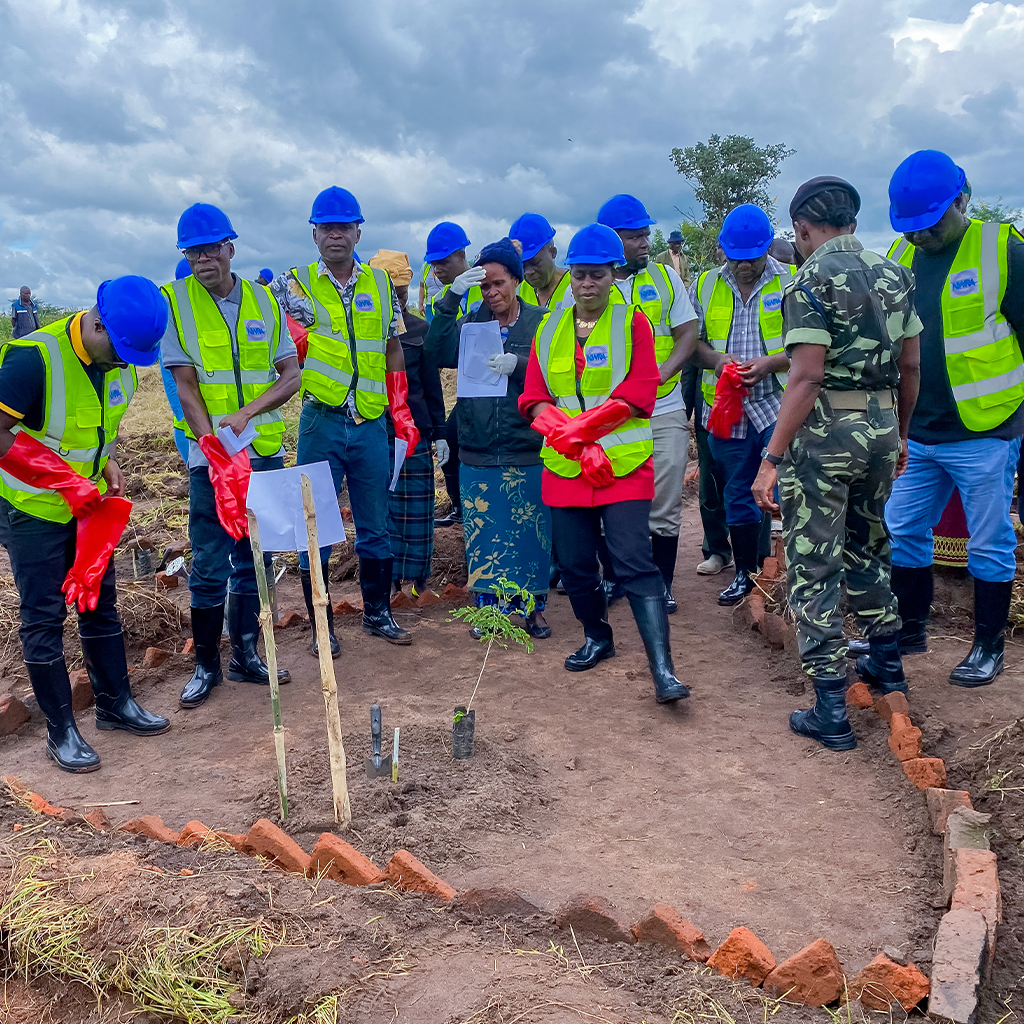
- Conducting field inspections: Verify that water abstraction, storage, and discharge activities comply with licensing conditions.
- Monitoring water use and quality: Collect and analyze data to detect overuse, pollution, or illegal activities.
- Enforcement actions: Recommend penalties, suspensions, or revocation of licenses for non-compliance.
- Collaboration: Work with environmental agencies, local authorities, and communities to resolve water-use conflicts and protect water resources.
- Incident response: Investigate pollution events, illegal abstractions, or other violations.
C. Civic Education
- Public awareness campaigns: Educate the public about water laws, licensing processes, and sustainable water use.
- Stakeholder engagement: Facilitate dialogue with water users, community groups, and local governments.
- Capacity building: Conduct training and workshops on water conservation, pollution prevention, and legal compliance.
- Behavior change communication: Use media and outreach programs to encourage responsible water use and pollution control.
- Feedback and grievance handling: Provide a platform for public input, complaints, and recommendations regarding water resource management.
2. Water Resources Management and Development
responsible for the assessment, planning, conservation, and development of the nation’s water resources — both surface and groundwater. Its goal is to ensure sustainable, equitable, and efficient utilization of water resources to support socio-economic development while maintaining ecological balance.
It operates through two key departments:
A. Groundwater Department
- Groundwater assessment and mapping: Conduct hydrogeological surveys to identify aquifer systems and their recharge potential.
- Data collection and management: Maintain databases on boreholes, wells, and groundwater quality and quantity.
- Monitoring and evaluation: Track groundwater levels and trends to prevent over-abstraction and depletion.
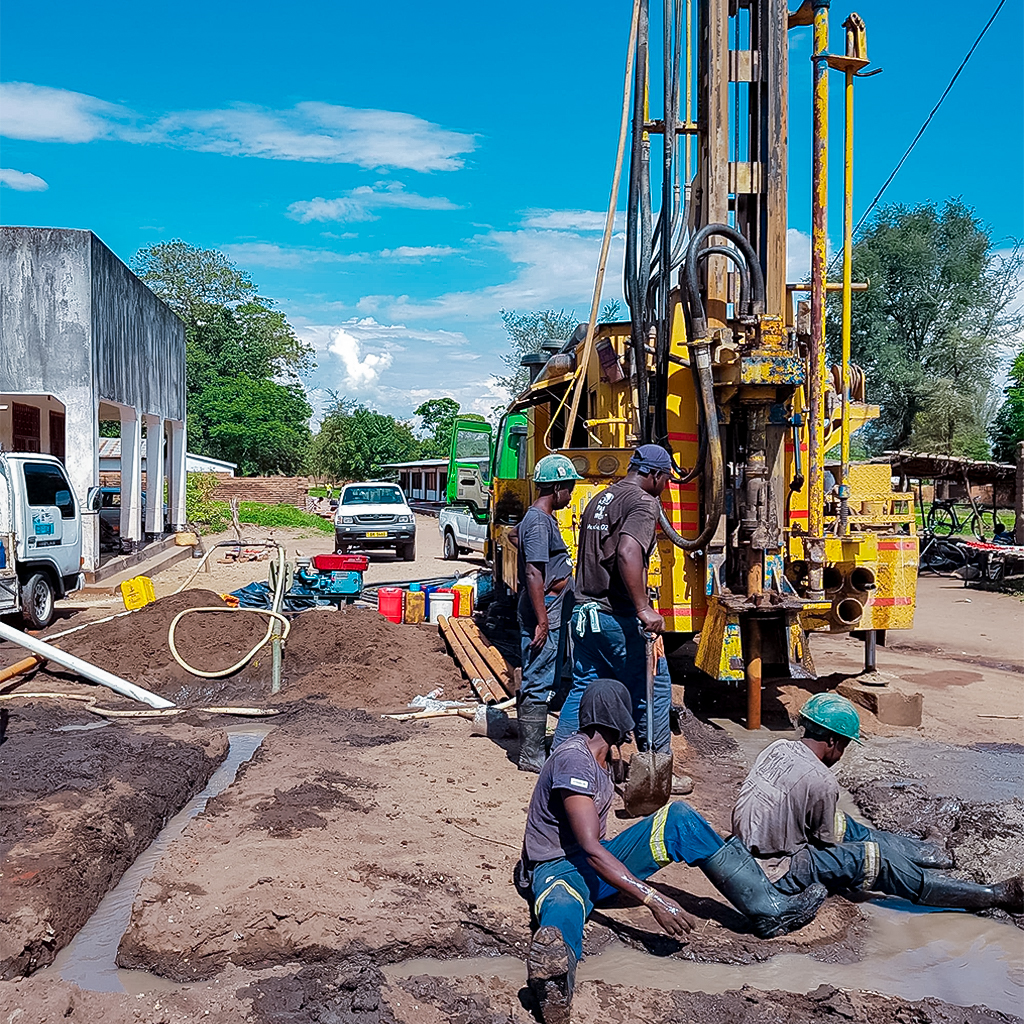
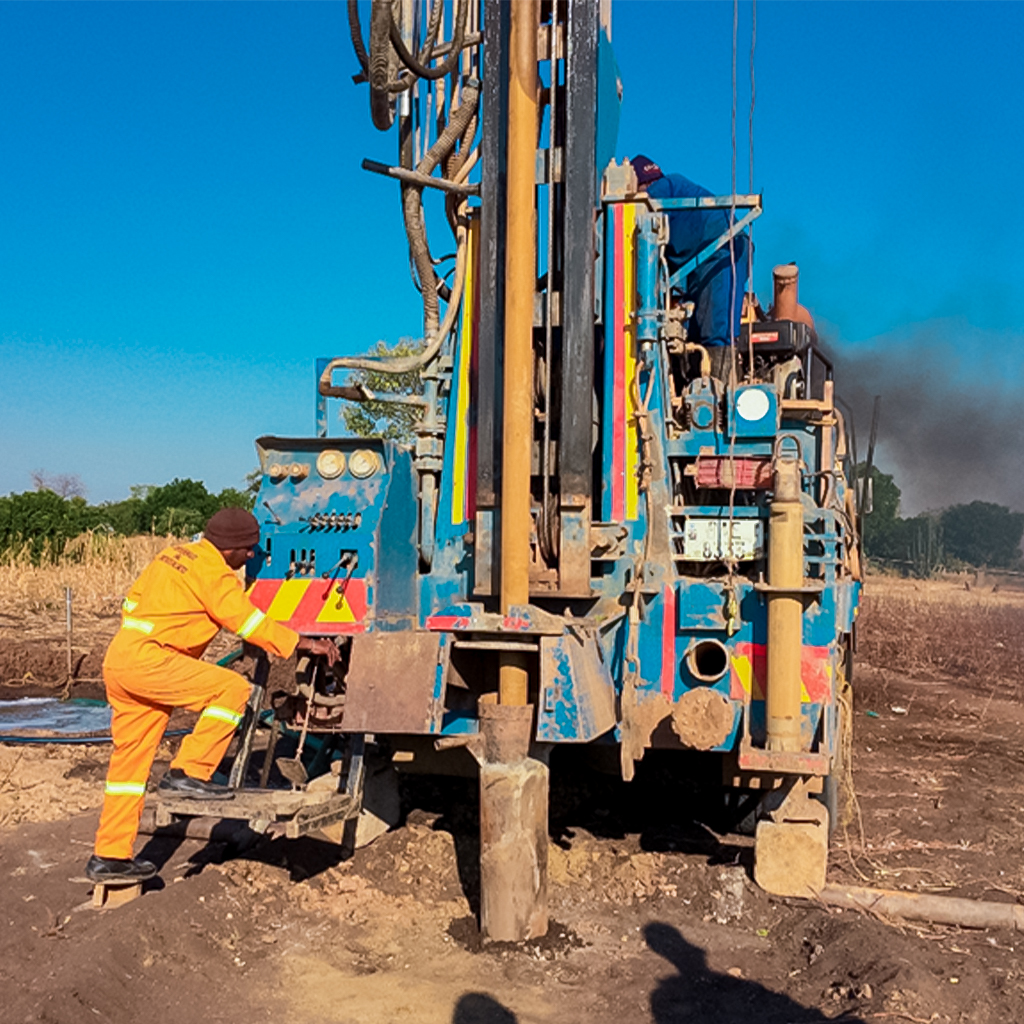
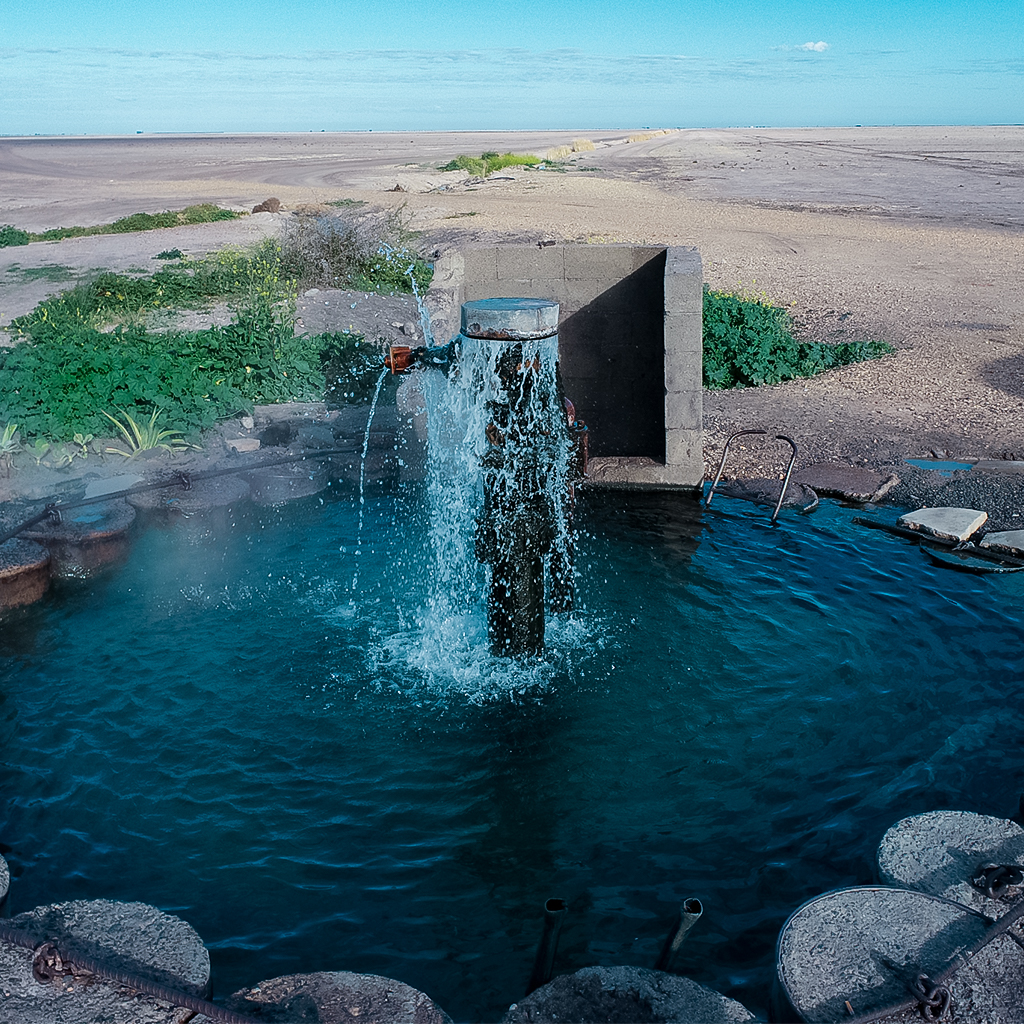
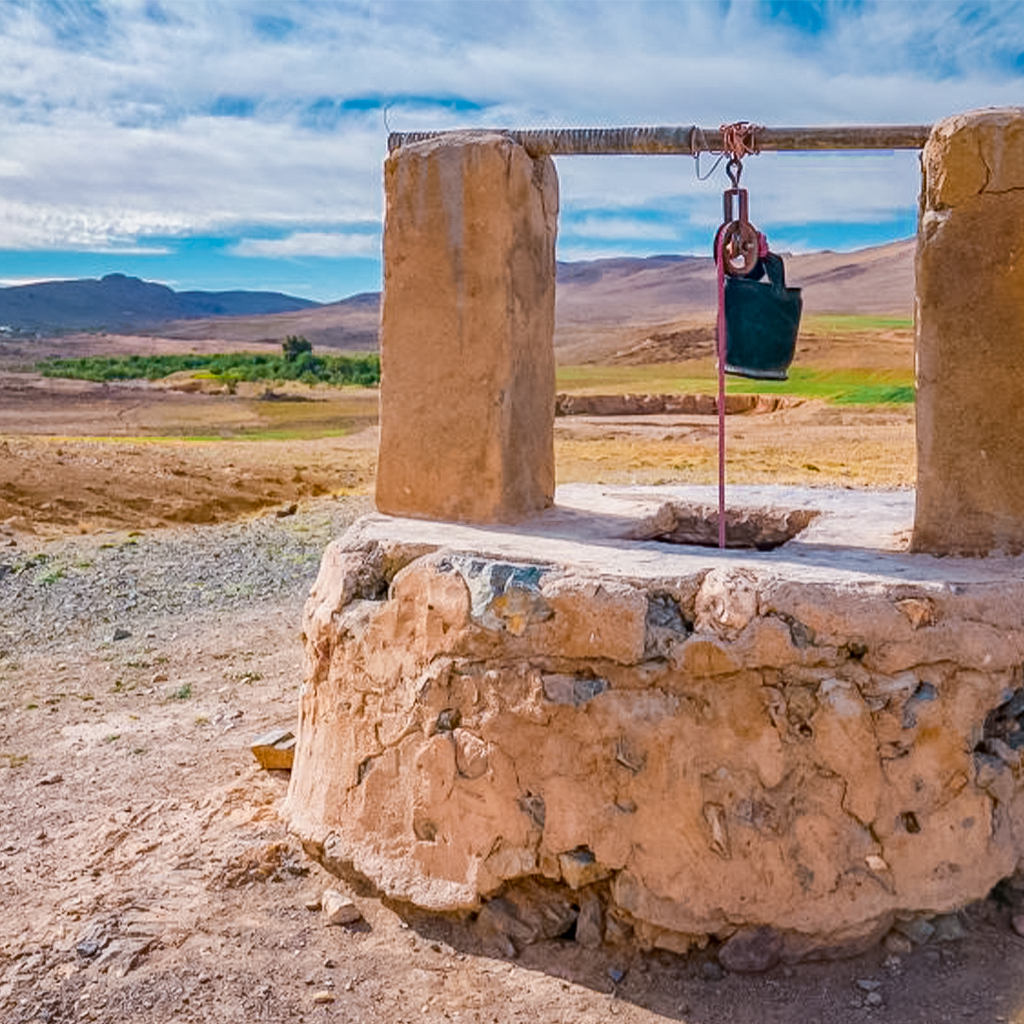
- Development of groundwater infrastructure: Support drilling, rehabilitation, and maintenance of boreholes and wells for domestic, agricultural, and industrial use.
- Protection of groundwater resources: Implement measures to control pollution, overuse, and saline intrusion.
- Technical advisory services: Provide scientific and technical input on groundwater development projects and water supply planning.
B. Surface Water Department
- Hydrological monitoring: Collect and analyze data on river flows, rainfall, and surface water quality.
- Water resource planning: Develop catchment management plans and strategies for surface water utilization and conservation.
- Infrastructure development: Support construction and maintenance of dams, reservoirs, and flood control structures.
- Catchment protection and restoration: Implement programs to prevent erosion, sedimentation, and pollution in river basins.
- Flood and drought management: Develop and operate early warning systems and adaptive water management strategies.
- Coordination and stakeholder engagement: Work with basin organizations, communities, and other agencies on surface water issues.

3. Corporate Services
Provides administrative, financial, human resource, and logistical support to ensure that the Authority’s regulatory and technical departments can perform effectively.
A. Human Resource Management and Administration
- Develop and implement human resource policies and strategies in line with Malawi’s public service regulations.
- Handle recruitment, placement, promotion, and performance management of staff.
- Oversee day-to-day administrative operations, including office management, logistics, and fleet management.
- Maintain up-to-date personnel records and ensure compliance with labor laws.
- Oversee day-to-day administrative operations, including office management, logistics, and fleet management.
- Manage property, office space, and physical assets of the Authority.
B. Finance and Accounts
- Prepare and manage the Authority’s budget, including annual estimates and expenditure controls.
- Ensure effective financial management, accounting, and reporting systems in compliance with the Public Finance Management Act.
- Collect fees, levies, and charges related to water use and permits (in coordination with the Regulatory Department).
- Coordinate audits (internal and external) and ensure proper financial accountability.
- Manage procurement and payments, ensuring transparency and value for money.
C. Information and Communication Technology (ICT)
- Manage and maintain the Authority’s ICT infrastructure (hardware, software, networks).
- Support implementation of digital systems for water data, permit management, and financial operations.
- Develop and enforce ICT policies to ensure data security, integrity, and privacy.
- Promote automation and digitization of workflows to improve service delivery.
- Provide technical support and training for ICT users across departments.
E. Research and Planning Department
- Strategic Planning: Develops and coordinates corporate plans, budgets, and performance targets aligned with national goals.
- Research & Policy Analysis: Conducts studies and provides evidence-based advice for policy and decision-making.
- Monitoring & Evaluation: Tracks implementation of programs, assesses performance, and prepares progress reports.
- Data & Resource Management: Manages institutional data, supports project development, and mobilizes resources.
F. Communications, Public Relations, and Stakeholder Engagement
- Manage corporate communications and public image of the NWRA.
- Coordinate information dissemination through media releases, reports, and stakeholder forums.
- Oversee internal communications to keep staff informed and motivated.
- Support stakeholder engagement, awareness campaigns, and branding activities.climate-resilient planning into national water allocation frameworks.
- Prepare and publish corporate publications, including newsletters and annual reports.
G. Procurement and Disposal of Assets
- Implement and monitor procurement procedures in line with Malawi’s Public Procurement and Disposal of Assets Act
- Manage the procurement of goods, works, and services for all NWRA departments.
- Maintain an inventory and asset register, ensuring proper utilization and disposal of assets.
- Ensure competitive, transparent, and cost-effective procurement practices.
4. Kamuzu Barrage Management Unit (KBMU)
i. Background
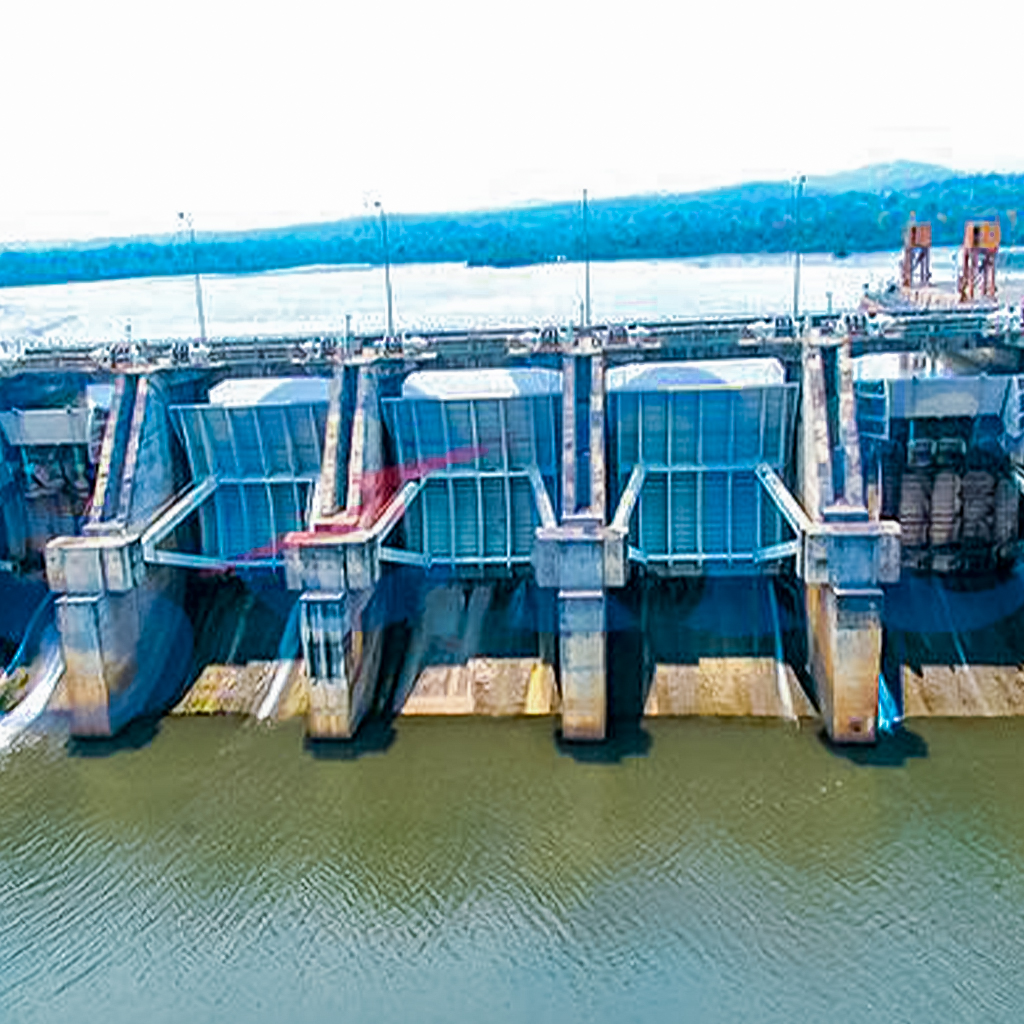
The Kamuzu Barrage, located on the Shire River at Liwonde, was originally constructed in 1965 and rehabilitated under the Shire River Basin Management Program (SRBMP) between 2014 and 2018 with support from the World Bank and the Government of Malawi. The upgraded structure, consisting of fourteen (14) gated bays, modern hoist systems, and a real-time Operational Decision Support System (ODSS) powered by the Kamuzu Barrage Operation Model (KABOM), regulates outflows from Lake Malawi to the Shire River.
The barrage plays a critical role in:
- Maintaining downstream water flows for hydropower generation, irrigation, domestic and industrial use;
- Minimizing flood risk for riparian communities; and
- Preserving aquatic and environmental ecosystems.
Key Roles and Responsibilities
A. Operations and Control
- Implement daily and seasonal gate operations following the approved Kamuzu Barrage Operating Rules and KABOM outputs.
- Conduct real-time monitoring of Lake Malawi and Shire River water levels and flows.
- Maintain an operations logbook recording gate movements, flows, and weather conditions.
B. Maintenance and Asset Management
- Execute preventive and corrective maintenance of mechanical, electrical, civil, and control systems.
- Prepare annual maintenance schedules and procurement plans for spare parts.
- Coordinate inspection, servicing, and testing of gates, hoists, motors, and instrumentation.
C. Hydromet Monitoring and Modelling
- Operate and maintain hydrometric stations associated with Kamuzu Barrage.
- Collect, verify, and archive hydrological and meteorological data.
- Utilize KABOM and ODSS for flow forecasting, flood risk analysis, and decision support.
D. Flood Risk Management
- Implement early warning protocols and communicate downstream flood risks to the Department of Disaster Management Affairs (DoDMA), District Councils, and communities.
- Prepare and disseminate advance release advisories before significant gate adjustments.
- Support flood response coordination during extreme weather events.
E. Environmental and Social Management
- Ensure environmental flow requirements are maintained in accordance with national standards.
- Monitor downstream ecological and social impacts of operations.
- Support implementation of Environmental and Social Management Plans (ESMPs).
F. Coordination and Stakeholder Engagement
- Ensure Coordinate with Egenco, Electricity Supply Corporation of Malawi (ESCOM), Ministry of Water and Sanitation, Ministry of Energy, and local government authorities.flow requirements are maintained in accordance with national standards.
- Facilitate community awareness and liaison on operational schedules and flood management.
- Represent NWRA in technical committees and basin coordination forums.
G. Safety and Emergency Preparedness
- Implement occupational and public safety protocols around the barrage.
- Conduct regular safety inspections and emergency simulation exercises.
- Maintain an up-to-date Emergency Preparedness and Response Plan (EPRP).
H. Reporting and Documentation
- Submit daily operation reports, monthly summaries, and incident reports to NWRA Headquarters.
- Maintain technical manuals, maintenance records, and hydrological databases.
- Provide annual performance reports highlighting operational efficiency and system reliability.
5. Internal Audit
To provide objective, independent and value-adding assurance and consulting services to the National Water Resources Authority by evaluating the adequacy and effectiveness of governance, risk management and control processes, thereby assisting NWRA to fulfil its mandate of sustainable water resources management.
Key Functions and Responsibilities:
A. Assurance services
- Provide independent and objective assurance on whether NWRA’s governance, risk management and internal control processes are functioning effectively.
- Conduct audits of financial, operational, compliance and information-systems processes.
- Verify that assets, funds, programmes (such as those under donor financed water-resources projects) are being used in accordance with policies, laws, regulations and donor requirements.
B. Advisory/consulting services
- Offer advice to NWRA management on improving processes, controls, risk mitigation, and governance arrangements (without assuming operational management responsibility).
- Perform engagements such as business process reviews, system implementation reviews (e.g., financial management system upgrades) and training internal staff.
C. Audit Committee liaison
- Support an Audit Committee (or similar oversight body) by preparing audit reports, significant findings, management responses, and progress on action plans.
- Ensure the Audit Committee receives timely reports (e.g., quarterly) and that follow-up on recommendations is tracked.
E. Risk management and control environment evolution
- Maintain and update a risk register for NWRA (covering major programmes, infrastructure projects, regulatory activities).
- Provide assurance that NWRA’s internal control framework (financial controls, procurement, project monitoring, data management) is operating adequately.
- Provide recommendations to strengthen control weaknesses.
F. Follow-up and monitoring of audit recommendations
- Track management implementation of audit recommendations and report on status regularly.
- Prepare management responses and action plans to address internal audit findings.
G. Quality assurance and improvement programme
- Ensure that the internal audit unit’s work adheres to recognized internal audit standards (e.g., those of the Institute of Internal Auditors).
- Undertake periodic self-assessment (or external peer review) of the internal audit function’s performance.
6. Legal Services
The Legal Services Directorate provides legal guidance, representation, and support to ensure that the Authority operates within the framework of national laws, regulations, and policies. It safeguards the legal interests of the Authority, facilitates enforcement of water-related laws, and ensures compliance across all its activities and stakeholders.
Key Functions and Responsibilities
A.Legal Advisory Services
- Offer legal opinions and advice to the Board, Director-General, and all directorates of the Authority.
- Interpret water laws, environmental legislation, and regulatory provisions relevant to the Authority’s operations.
- Review and draft legal instruments, contracts, agreements, and memoranda of understanding (MoUs).
B. Legislative and Policy Support
- Contribute to the formulation and review of national water resource management laws, regulations, and policies.
- Participate in drafting subsidiary legislation (e.g., regulations, rules, and by-laws).
- Ensure alignment of Authority operations with constitutional, statutory, and international obligations.
C. Enforcement and Compliance
- Work closely with the Regulatory Directorate to enforce compliance with licensing conditions, pollution control measures, and water use regulations.
- Initiate or support prosecution of offenses related to illegal water abstraction, pollution, or non-compliance with permits.
E. Contract and Agreement Management
- Draft, review, and vet contracts, procurement documents, and partnership agreements to safeguard the Authority’s interests.
- Monitor contract implementation to ensure compliance with legal and regulatory requirements.